The Myth of the Perfect Tennis Outfit
The perfect tennis outfit need not match: choose comfortable pieces for the weather, court and movement, and spend less attention on looking like a set.
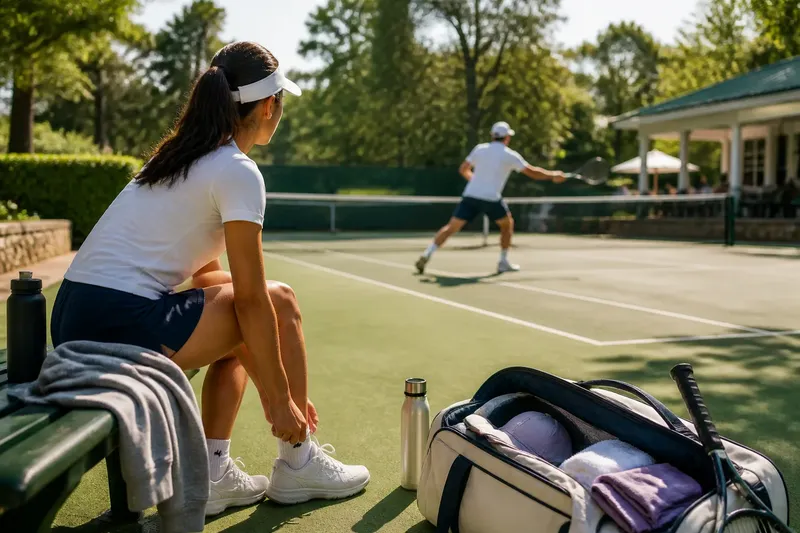
The most common tennis clothing mistake is buying a matching set before considering how it feels in motion. The perfect tennis outfit is not a coordinated look; it is a combination that lets you move comfortably, handle the weather and focus on the next point. A neat appearance can be pleasant, but it should not decide whether a shirt rides up or a waistband distracts you.
Start with the session
Choose clothes for the kind of tennis you are actually playing. A relaxed rally at a village court, a windy afternoon on open grounds and a club match with a dress code ask for different choices, even if the forecast looks similar.
Begin with three questions: Will you be moving steadily or waiting between points? Is the court exposed to sun, wind or damp air? Does the venue have clothing rules? Answering those questions is more useful than matching colors from head to toe.
For casual rallies
If you are meeting a friend for an easy hit, reach for familiar athletic clothes that already feel comfortable. A breathable shirt and shorts or a flexible skirt can work well without being part of a tennis-specific set. The useful test is whether you can reach, bend and turn without tugging at the fabric.
Say you are heading to a neighborhood hard court after work in a soft cotton-blend tee and dark athletic shorts. If the shirt stays comfortable through a few practice swings and the shorts allow a full lunge, keep them; if the fabric clings once you start moving, swap the shirt for a lighter performance knit. The result to look for is less fiddling between points, not a perfectly coordinated photo.
For informal play, a spare layer can be more useful than a matching jacket. Leave a light sweatshirt or zip-up in your bag for the walk home or a cool spell, then take it off before it restricts your swing.
For hot, bright days
On a sunny court, prioritize light fabric, room to move and practical coverage. A cap or visor can shade your face, while sunglasses made for sports may stay put better than everyday frames. Choose pieces that feel comfortable around the shoulders and waist, since tight seams can become more noticeable as you sweat.
Light colors are often pleasant in direct sun, but comfort is personal: some players prefer a dark top because it shows less dirt or sweat. Pick the shirt that feels breathable and sits securely rather than forcing a palette across every piece. Bring water and take breaks when needed, especially in strong heat.
If you use sunscreen, consider how it feels with your clothing and whether it leaves marks on collars or cuffs. A small towel can help you wipe your hands before gripping the racket; a slippery handle is a more immediate distraction than mismatched socks.
For cool or unsettled weather
When the air is cool, dress in layers you can remove easily. A thin long-sleeved top over a tee often gives more flexibility than one bulky sweatshirt, which can catch at the shoulder during a serve. If the wind picks up, a light outer layer may help during warm-up or breaks, then come off when you are moving freely.
For damp conditions, choose pieces that do not feel heavy against your skin and bring a dry top for afterward. Avoid relying on an outfit that only works if the weather stays exactly as forecast. A simple change of shirt or an extra layer in your bag can make the trip to the court more comfortable.
Cold fingers can affect how securely you hold a racket. If you use gloves between games or while warming up, take them off whenever they interfere with your grip or feel. Keep the decision practical: warmth matters, but so does a comfortable, controlled hold.
For a club match
At a club match, check the venue’s clothing expectations before you choose an outfit. Some settings have specific rules, while others are relaxed; a quick look at the club’s website or a message to the organizer can spare an awkward arrival. Where a label, manufacturer instructions or local rules determine what is suitable, follow those directions.
Within those expectations, aim for a clean, comfortable combination rather than a full set. A plain top can sit happily beside a patterned skirt or shorts, and shoes do not need to match the rest of your clothes. Make sure your footwear is appropriate for the surface and feels secure when you change direction; style cannot compensate for a poor fit.
For a match that includes time sitting courtside, consider bringing a warm-up layer that looks tidy and is easy to remove. You will be prepared for the pause without needing to play in clothing that feels too warm.
For long court days
If you expect to play, watch and socialize across a long stretch, comfort includes what happens between sessions. Pack a dry change of clothes, an extra pair of socks and a layer for shade or evening air. A tote or racket bag with separate compartments can keep damp items away from a clean shirt.
Think about small irritations before they become the main event: a waistband that needs constant adjustment, a collar that rubs, or a skirt pocket that will not hold a ball. Wear the pieces during ordinary movement at home before relying on them for a match. Your outfit does not need to impress from every angle; it needs to stay out of your way.
What should you choose?
Do tennis clothes have to match?
No. Matching pieces are a style choice, not a requirement for comfortable play. Combine colors and patterns as you like, then check that each item moves well and suits the venue.
Can you wear regular athletic clothes?
Often, yes, especially for casual rallies, provided the clothes allow a full range of motion and feel comfortable in the weather. For a club match, check the venue’s expectations before deciding.
What matters most in tennis shoes?
Look for a secure, comfortable fit and footwear suited to the court surface. If you are unsure which type is appropriate, ask the venue or a knowledgeable sporting-goods professional rather than choosing by appearance alone.
What should you pack for changing weather?
Bring a light layer, a dry shirt and spare socks if you expect a long session or shifting conditions. Choose items that are easy to take off or change into, so your clothing can adapt without becoming another task.
Choose comfort first
The perfect tennis outfit is the one that fits your session: familiar athletic clothes for a casual hit, lighter pieces for a bright afternoon, removable layers for cool air and venue-appropriate choices for a club match. Mixing pieces is sensible when each one earns its place through comfort or usefulness.
Before you leave, raise your arms, bend your knees and make a few practice swings. If nothing pulls, slips or distracts you, the outfit is ready; it does not need to look like it came from one rack.